
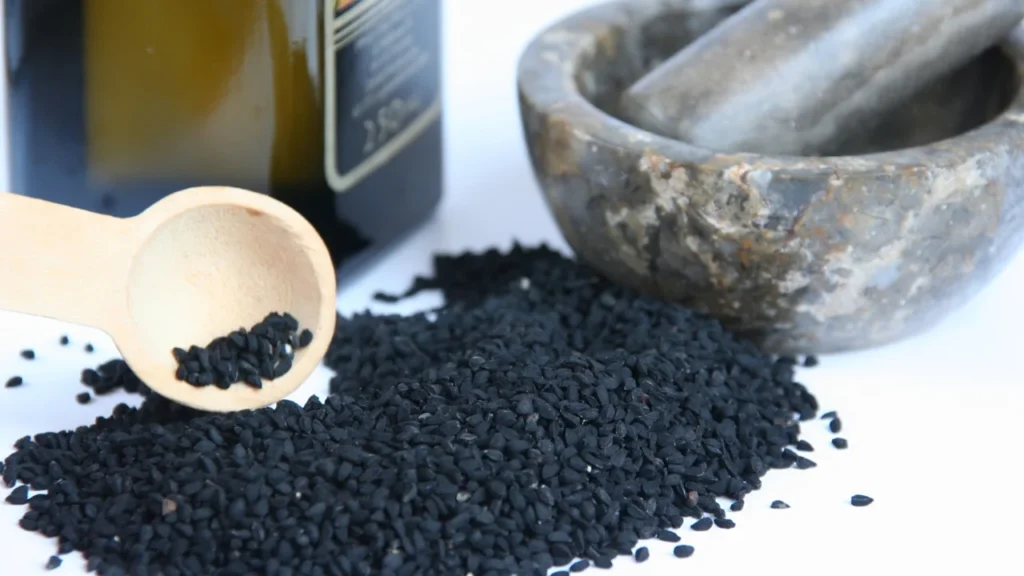
Walk into any modern health food store today, and you are bound to see shelves lined with synthetic supplements, complex wellness powders, and heavily marketed trend products. Yet, some of the most profound answers to today’s chronic health challenges aren’t coming from new laboratory creations. Instead, researchers, medical professionals, and everyday people are looking backward—turning their attention to a tiny, jet-black botanical gem that has quietly supported human health for over three thousand years: Nigella sativa, commonly known as Black Seed.
Known historically by many names—including black cumin, Roman coriander, and Habba Al-Barakah (the Blessed Seed) in Eastern traditions—this modest seed is transitioning out of the realm of simple folklore and directly into the spotlight of rigorous medical science.
If you want to understand the true health benefits of black seed, it helps to bypass the marketing hype and look directly at what clinical trials, biochemistry, and human studies actually tell us about how it interacts with the human body.
The Anatomy of a Blessed Seed: What Exactly Is It?
Before looking at its medical properties, let’s clarify what this plant actually is. True black seed comes from Nigella sativa, a delicate annual flowering plant belonging to the Ranunculaceae (buttercup) family. Native to Eastern Europe, Western Asia, and the Middle East, the plant produces pale blue and white petals that eventually form large seed pods. When these pods dry out, they open up to reveal small, matte-black, triangular seeds.
It is incredibly common to run into confusion regarding its name. Depending on where you live, it might be labeled as black caraway, black cumin, or kalonji. However, it is chemically distinct from common culinary cumin (Cuminum cyminum), black sesame, or black caraway. They may share a vague physical resemblance, but their internal chemistry is completely different.
For thousands of years, cultures across the globe recognized that these seeds possessed an unusual therapeutic potency. Archeologists even discovered black seed oil tucked away in the tomb of King Tutankhamun, placed there by ancient Egyptian physicians to support the pharaoh. In traditional Islamic wellness, the seed holds an esteemed status, valued as a systemic restorative capable of supporting overall metabolic and immune vitality.
Today, we no longer have to rely solely on historical anecdotes. Over the last three decades, hundreds of peer-reviewed studies have begun decoding the microscopic compounds hidden within the seed, proving that ancient naturalists were remarkably accurate in their assessments.
The Chemical Engine: What Makes Black Seed Tick?
To fully appreciate the wide-ranging benefits of black seed, you have to understand a single, intensely powerful phytochemical called Thymoquinone (TQ).
While the seed contains over a hundred different nutrient compounds—including essential fatty acids (like linoleic and oleic acids), zinc, iron, calcium, and carotene—Thymoquinone is the primary active compound driving its therapeutic success. TQ is a volatile oil component that acts as a strong scavenger of free radicals within the human body.
Under a microscope, our modern lifestyle—characterized by processed foods, chronic stress, environmental toxins, and fragmented sleep—creates a state of constant oxidative stress inside our cells. This stress damages our DNA, accelerates aging, and acts as the underlying driver for most chronic metabolic illnesses.
Thymoquinone functions like an internal shield. It neutralizes these volatile oxygen molecules, dampens systemic irritation, and coaxes our cells back into a balanced, functional state. Along with other active elements like nigellone (which has natural anti-histamine properties) and alpha-hederin, TQ gives the seed an unusually versatile medical profile.
The Verified Health Benefits of Black Seed
Because black seed works at a cellular level by reducing oxidative damage and cooling down inflammation, its positive effects show up across multiple systems in the body. Here is what current clinical research reveals about its specific health impacts.
1. Taming Chronic, Low-Grade Inflammation
Inflammation is a normal, healthy response when you cut your finger or twist an ankle; it’s your body rushing blood and immune cells to fix the damage. However, when inflammation never turns off, it becomes chronic. This silent, low-grade irritation is now recognized as the root cause of joint degeneration, cardiovascular disease, and autoimmune conditions.
Studies show that regular use of black seed oil significantly lowers key inflammatory markers in the human bloodstream, such as C-Reactive Protein (CRP) and Interleukin-6 (IL-6). It achieves this by naturally inhibiting specific inflammatory pathways (specifically the COX and LOX pathways) in a manner similar to over-the-counter anti-inflammatory choices, but without the harsh impact on the stomach lining or kidneys. For individuals dealing with stiff joints or chronic muscle discomfort, this systemic cooling effect provides noticeable, foundational relief.
2. Modulating the Immune System
Many supplements on the market claim to blindly “boost” the immune system. However, a hyperactive immune system is just as dangerous as an underactive one—it leads to allergies, asthma, and autoimmune flares. What the body actually needs is immune regulation.
This is where the unique properties of the seed shine. Research demonstrates that Nigella sativa modulates immune behavior. It increases the activity of macrophages and helper T-cells (the frontline defenders against actual infections) while simultaneously keeping mast cells from overreacting and dumping massive amounts of histamine into the body. This dual action provides a natural shield against seasonal environmental triggers while keeping your foundational defenses sharp.
3. Blood Sugar Regulation and Insulin Sensitivity
Metabolic health has become one of the biggest health challenges of our time. With the rise of highly processed carbohydrates and hidden sugars in our modern food supply, our bodies are constantly working overtime to manage glucose spikes. Over time, this leads to sluggish insulin response, weight gain, and persistent fatigue.
This is an area where the benefits of black seed show incredible promise. Multiple clinical trials have monitored patients who added a small daily dose of black seed to their routine. The findings consistently show a noticeable reduction in fasting blood sugar levels and a steady improvement in hemoglobin A1c (the three-month average of blood sugar control).
Instead of forcing a sudden drop in glucose, the active compounds in the seed work behind the scenes to increase your cells’ sensitivity to insulin. It essentially helps open up the cellular gates so your body can move glucose out of the bloodstream and into your cells where it can actually be burned for sustained energy. Furthermore, research indicates that it protects and supports the pancreatic beta cells—the actual cellular factories responsible for manufacturing insulin in the first place.
4. Cardiovascular Health: Managing Cholesterol and Blood Pressure
Your heart and circulatory system rely entirely on the flexibility of your blood vessels and the quality of the lipids circulating through them. When plaque builds up or blood vessels become stiff from inflammation, the heart has to pump harder, driving up blood pressure.
Integrating black seed into a heart-healthy lifestyle provides excellent cardiovascular support. Studies indicate that cold-pressed black seed oil helps optimize lipid profiles by lowering low-density lipoprotein (LDL, often called “bad” cholesterol) and reducing total triglycerides.
At the same time, it helps maintain healthy endothelial function—the inner lining of your blood vessels. By encouraging these vessels to relax and expand naturally, it helps ease the overall workload on your heart, making it a valuable ally for anyone looking to keep their blood pressure within a healthy, normal range.
5. Respiratory Relief: Soothing Asthma and Seasonal Allergies
Your heart and circulatory system rely entirely on the flexibility of your blood vessels and the quality of the lipids circulating through them. When plaque builds up or blood vessels become stiff from inflammation, the heart has to pump harder, driving up blood pressure.
Integrating black seed into a heart-healthy lifestyle provides excellent cardiovascular support. Studies indicate that cold-pressed black seed oil helps optimize lipid profiles by lowering low-density lipoprotein (LDL, often called “bad” cholesterol) and reducing total triglycerides.
At the same time, it helps maintain healthy endothelial function—the inner lining of your blood vessels. By encouraging these vessels to relax and expand naturally, it helps ease the overall workload on your heart, making it a valuable ally for anyone looking to keep their blood pressure within a healthy, normal range.
From Ancient Texts to Modern Laboratories
What makes this botanical so fascinating is how perfectly modern laboratory data aligns with historical heritage. For centuries, traditional wellness practitioners didn’t have access to blood work, chemical isolation, or double-blind studies. They simply observed the human body and kept detailed records of what worked.
When ancient scholars wrote about the seed’s capacity to restore overall vigor, they were observing what modern scientists now classify as an “adaptogen”—a natural substance that helps the body adapt to stress and normalizes bodily processes.
Today, when a researcher publishes a study showing that thymoquinone reduces liver enzymes or protects brain tissue from age-related decline, they are simply translating ancient validation into modern medical vocabulary. We are not reinventing the wheel; we are finally proving how the wheel has been turning all along.
How to Use Black Seed: A Practical Daily Guide
If you want to experience the full health benefits of black seed, consistency is far more important than taking a massive dose all at once. Because it works incrementally to repair cellular balance, you want to make it a seamless, stress-free part of your daily routine.
The two most common forms you will find in health shops are the whole raw seeds and the concentrated cold-pressed oil. Both are highly effective, but they are used slightly differently.
Raw Seeds vs. Cold-Pressed Oil
Whole Black Seeds: These are excellent for long-term lifestyle maintenance and culinary use. The raw seeds have a distinct, pungent flavor profile that tastes like a mix of black pepper, oregano, and toasted onions. To get the health benefits, it is best to lightly toast them on a dry skillet for a minute to release the essential oils, then crush them using a mortar and pestle or a clean spice grinder. Whole, uncrushed seeds can sometimes pass through the digestive system completely intact without releasing their internal nutrients.
Cold-Pressed Black Seed Oil: If you are addressing a specific health goal, like joint stiffness, respiratory issues, or blood sugar tracking, the oil offers a much higher concentration of active thymoquinone. It is extracted by mechanically pressing the seeds without using high heat or chemical solvents, keeping the volatile compounds perfectly intact.
Simple Ways to Take It
-
The Traditional Honey Blend: Mix one teaspoon of crushed black seeds or half a teaspoon of the oil with a spoonful of raw, organic honey first thing in the morning. The honey helps cut the sharp, slightly bitter taste of the oil while providing its own raw enzymes.
-
Infused Wellness Tea: Stir half a teaspoon of the oil into a warm cup of herbal tea (like chamomile or mint) after a heavy meal to assist with digestion and bloating. Avoid adding it to boiling water, as extreme heat can degrade some of the delicate volatile compounds.
-
Culinary Toppings: Sprinkle a teaspoon of toasted seeds over homemade sourdough bread dough before baking, or use them as a savory garnish on top of warm lentil soups, fresh salads, and vegetable curries.
Safety, Side Effects, and Smart Precautions
While the health benefits of black seed are vast, it is a potent therapeutic agent, not just a kitchen spice. Just because a remedy is entirely natural does not mean it can be taken without boundaries or respect for how it interacts with human biology.
For the vast majority of people, incorporating a small amount of black seed into food or taking half a teaspoon of the oil daily causes zero adverse issues. However, because it actively changes processes inside your body—like lowering blood pressure and reducing blood sugar—there are specific situations where you need to exercise caution.
1. Pregnancy and Breastfeeding
If you are pregnant, you should avoid therapeutic doses of black seed oil. While using a sprinkle of raw black seeds on a piece of bread or in a vegetable dish is perfectly safe, taking concentrated oil supplements is not recommended. In large medicinal amounts, black seed can slow down or alter uterine contractions, which can introduce unnecessary complications. Similarly, because there isn’t enough high-quality data on how the concentrated compounds pass through breast milk, breastfeeding mothers should stick to normal culinary amounts rather than daily oil supplements.
2. Scheduled Surgeries and Bleeding Conditions
Black seed has a natural ability to smooth out blood circulation and slow down clotting times. If you have a diagnosed bleeding disorder, or if you are scheduled for an upcoming surgical or dental procedure, you should stop taking black seed oil at least two weeks before your appointment. This simple window gives your body’s natural clotting mechanisms time to reset, avoiding any risk of excess bleeding during or after recovery.
3. Key Medication Interactions
Because black seed is so effective at managing systemic numbers, it can accidentally double up on the effects of prescription medications. If you are currently taking medications for the following conditions, speak directly with your healthcare provider before starting a daily oil regimen:
Diabetes Medications: Because the benefits of black seed include naturally lowering blood sugar, combining it with drugs like Metformin or insulin can sometimes drop your glucose levels too low (hypoglycemia).
Blood Pressure Drugs: If you are already on beta-blockers or ACE inhibitors to reduce hypertension, adding a strong daily dose of black seed oil can lower your blood pressure a bit further than intended, leading to mild dizziness when standing up quickly.
Blood Thinners: Taking black seed oil alongside medications like Warfarin or Aspirin can compound the blood-thinning effect.
The Consumer Checklist: How to Buy Premium Black Seed
If you look for black seed oil online or at a local health store, you will quickly notice a massive variation in price and quality. The market is filled with mass-produced, heavily processed oils that have been stripped of their therapeutic value.
To ensure you are actually getting the real benefits of black seed, use this strict checklist before buying a bottle:
[ ] Look for 100% Pure Nigella Sativa: Check the ingredient label carefully. Many cheap brands dilute their product by mixing a tiny amount of real black seed oil with cheap filler oils, like soybean, sunflower, or generic vegetable oil. The only ingredient listed should be 100% pure Nigella sativa oil.
[ ] Insist on Cold-Pressed Extraction: Avoid any oils extracted using chemical solvents or high heat. Heat destroys the fragile volatile compounds—especially the all-important Thymoquinone. Cold-pressing mechanically squeezes the oil out of the seeds at low temperatures, preserving the molecular structure exactly as nature intended.
[ ] Dark Glass Packaging Only: Never buy black seed oil packaged in clear plastic bottles. Like high-quality extra virgin olive oil, the active nutrients in black seed are highly sensitive to light and UV rays. Exposure to light causes the oil to oxidize and go rancid quickly. Always choose dark amber, cobalt blue, or black glass bottles.
[ ] Check for the Characteristic Aroma and Taste: High-quality, unrefined black seed oil should have a deep, amber-to-dark-gold color and a distinctly sharp, pungent, slightly peppery aroma. If it tastes completely mild or smells like generic cooking oil, it has either been heavily refined or diluted.
Making the Shift to Foundational Wellness
At the end of the day, true health is rarely built on overnight miracles or synthetic quick fixes. The real power of black seed lies in its ability to slowly, steadily, and gently guide the body back toward its natural state of cellular harmony.
By cooling down persistent internal irritation, supporting your metabolic processing, and gently regulating your immune response, this ancient seed acts as a beautiful bridge between historical heritage and modern clinical science.
Whether you choose to stir a half-teaspoon of cold-pressed oil into your morning tea, or blend crushed seeds with raw honey as a daily systemic restorative, consistency is your greatest ally. Start small, listen closely to your body, and allow this timeless botanical remedy to support your journey toward holistic, everyday vitality.